Email personalization techniques that convert focus on relevance, timing, and clarity rather than surface-level customization. Effective personalization makes messages feel purposeful and aligned with recipient needs.
The foundation is meaningful data. Behavioral signals such as page views, past purchases, and engagement history provide insight into intent. Using this data enables content that reflects real interest rather than generic assumptions.
Segmentation supports personalization at scale. Grouping subscribers by lifecycle stage, preferences, or behavior allows marketers to tailor messaging efficiently. Well-defined segments outperform one-size-fits-all campaigns consistently.
Dynamic content enhances conversion. Personalized subject lines, product recommendations, and tailored calls to action adapt messages to individual recipients. These elements increase relevance without requiring separate campaigns.
Timing personalization is equally important. Sending emails based on actions or engagement patterns improves responsiveness. Triggered messages often outperform scheduled sends because they align with intent.
Language personalization adds impact. Referencing context, acknowledging previous interactions, and using conversational tone humanizes communication. Authentic language strengthens trust and engagement.
Personalization must remain balanced. Overly detailed or intrusive references can feel uncomfortable. Respectful personalization focuses on value rather than surveillance.
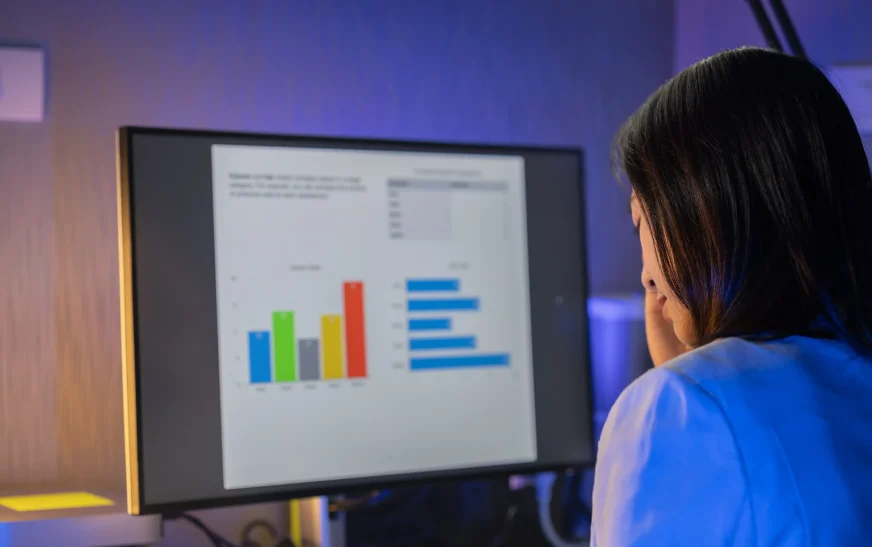
Measurement enables optimization. Tracking conversion rates by segment and personalization element reveals what drives results. Continuous testing refines effectiveness.
When personalization aligns data, timing, and tone, emails feel helpful rather than promotional. Brands that apply personalization strategically improve conversion rates while strengthening relationships, creating scalable performance without sacrificing authenticity.