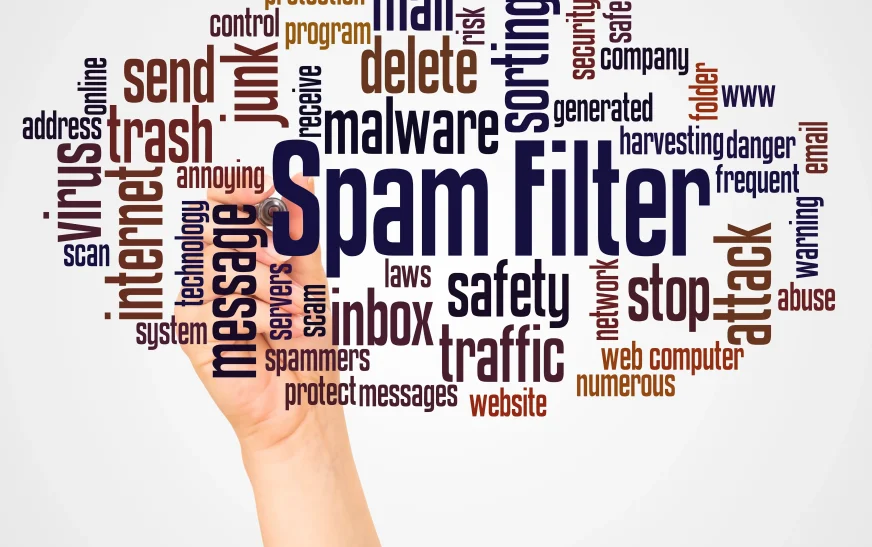
Avoiding spam filters requires understanding how inbox providers evaluate email quality and sender behavior. Spam filtering is influenced by authentication, engagement, content, and reputation signals.
Proper authentication is the first defense. Configuring SPF, DKIM, and DMARC verifies sender identity and reduces suspicion. Without authentication, even legitimate emails face filtering risk.
Engagement strongly influences filtering decisions. Emails that are opened, clicked, and replied to signal value. Low engagement or high deletion rates increase spam classification. Relevant content aligned with subscriber expectations improves engagement.
Content choices also matter. Excessive capitalization, misleading subject lines, and aggressive promotional language trigger filters. Clear, honest messaging performs better than hype-driven copy.
Image-to-text balance affects filtering. Emails composed primarily of images with little text appear suspicious. Including meaningful text improves readability and filter performance.
Link quality is important. Using reputable domains and avoiding URL shorteners reduces risk. Broken or misleading links raise red flags.
List quality protects reputation. Sending to inactive or invalid addresses increases bounces and complaints. Regular list cleaning reduces spam signals.
Sending frequency should remain controlled. Over-emailing increases complaints and unsubscribes. Respecting attention improves trust.
Testing before sending helps identify issues. Spam testing tools reveal potential triggers and allow adjustments.
Avoiding spam filters is an ongoing discipline. When brands prioritize relevance, transparency, and technical hygiene, they maintain inbox placement and protect long-term email performance.