Reporting mistakes can distort insights, misguide strategy, and lead organizations toward poor decisions. While data is powerful, incorrect reporting practices often create false confidence or unnecessary panic.
One common mistake is focusing on vanity metrics. Metrics such as impressions or raw traffic may look impressive but fail to reflect business impact. When teams prioritize surface-level numbers, they overlook performance drivers that truly matter.
Lack of context is another issue. Data presented without benchmarks, time comparisons, or goals makes interpretation difficult. A performance drop may appear alarming but could reflect seasonality or intentional changes.
Inconsistent definitions also mislead decisions. When teams calculate metrics differently across reports, comparisons become unreliable. Consistency in definitions ensures alignment and trust in insights.
Overloading reports with data is equally harmful. Excessive metrics overwhelm stakeholders and dilute focus. Effective reporting highlights only the most relevant indicators tied to objectives.
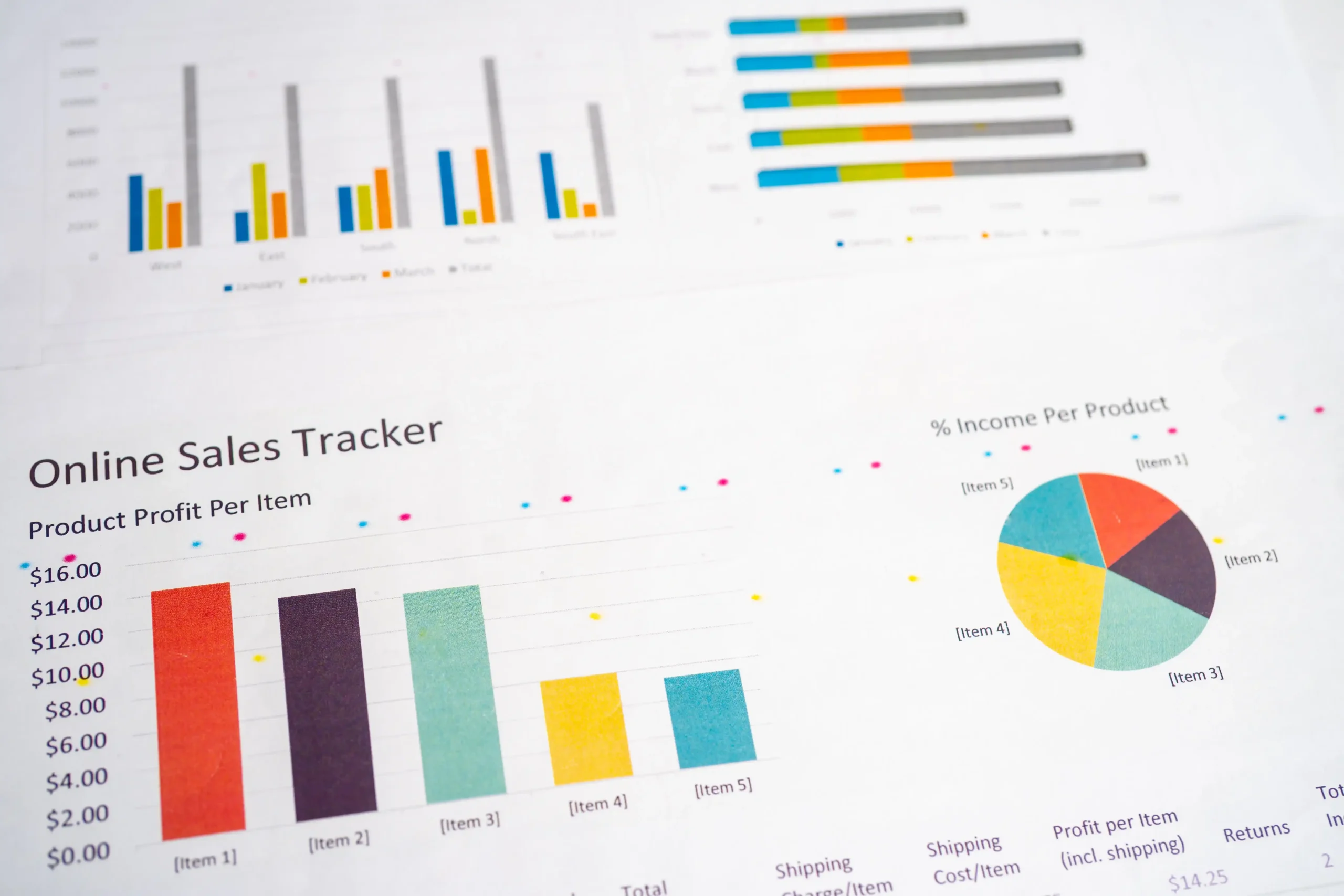
Poor visualization contributes to misunderstanding. Cluttered charts, misleading scales, or unclear labeling distort perception. Visual clarity is essential for accurate interpretation.
Ignoring data quality issues further compounds problems. Incomplete or inaccurate data produces flawed conclusions. Regular validation and governance protect reporting integrity.
Finally, reports without recommendations limit value. Data should guide action, not simply describe outcomes. Reports must explain implications and next steps.
Avoiding these mistakes requires discipline and intent. Clear objectives, consistent definitions, thoughtful visualization, and contextual explanation transform reporting into a decision-support tool. When reports prioritize clarity and relevance, they empower leaders to act confidently and strategically.