Choosing between annual and quarterly marketing plans depends on business maturity, market volatility, and growth objectives. Annual plans provide long-term direction by outlining goals, budgets, and strategic priorities for the year ahead. They help align stakeholders, secure resources, and maintain consistency across teams.
However, annual plans often struggle with flexibility. Market conditions, platform algorithms, and consumer behavior can shift rapidly. When plans are locked for twelve months, teams may continue executing strategies that no longer deliver results. This rigidity can slow adaptation and reduce overall effectiveness.
Quarterly marketing plans address this challenge by emphasizing agility. They allow teams to review performance frequently, test new ideas, and respond to emerging trends. Shorter planning cycles encourage experimentation, faster optimization, and more accurate forecasting based on recent data.
The downside of quarterly planning is the risk of losing long-term focus. Without a broader strategic framework, marketing efforts may become reactive, chasing short-term wins at the expense of sustainable growth. Constant changes can also strain teams if priorities shift too frequently.
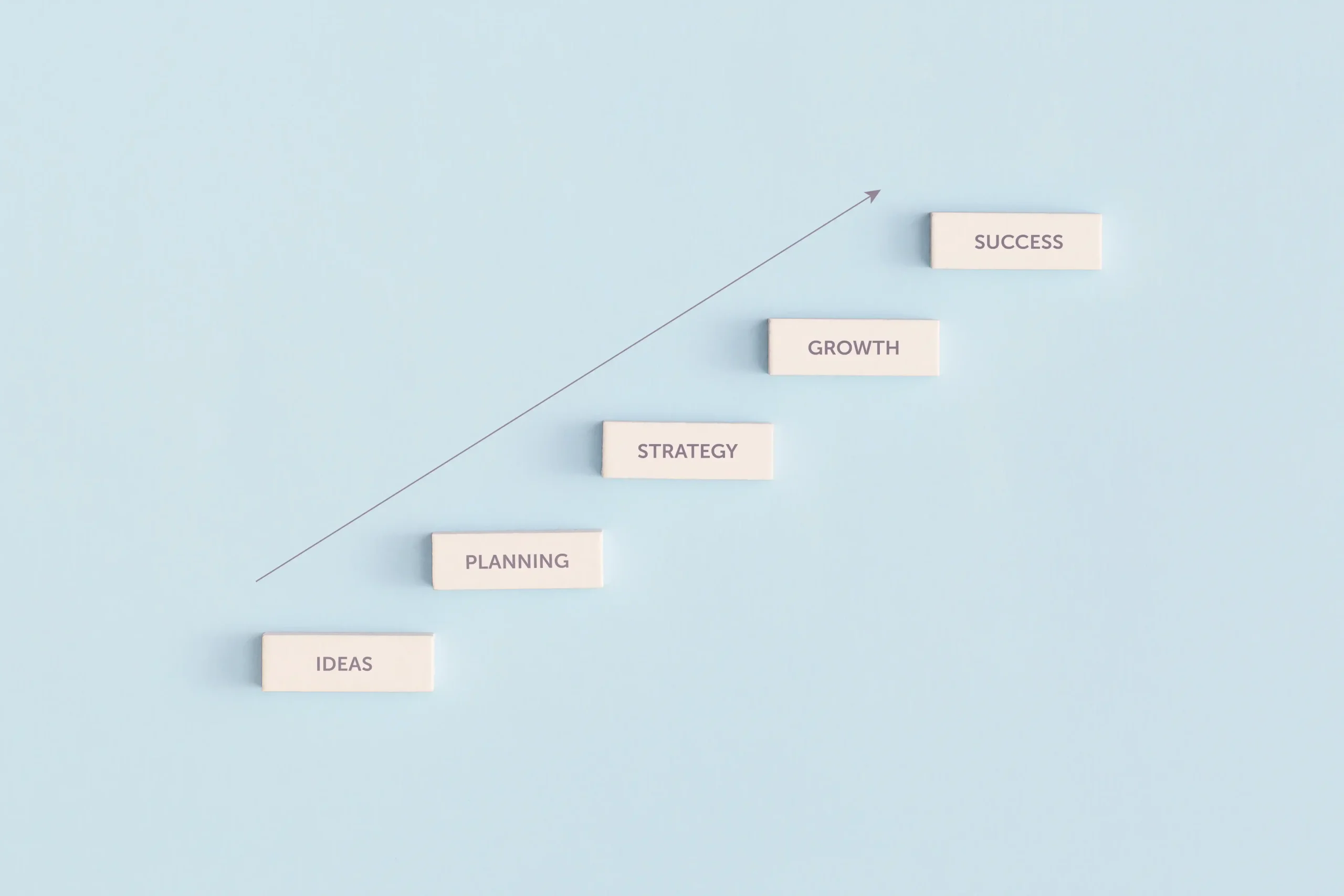
The most effective approach combines both models. Annual plans should define overarching goals, brand positioning, audience focus, and budget allocation. Quarterly plans then translate those goals into tactical execution, informed by current performance data and market conditions.
This hybrid structure ensures strategic alignment while preserving flexibility. Annual planning sets direction and accountability, while quarterly planning enables responsiveness and optimization. Together, they create a balanced system that supports both stability and growth.
Ultimately, the question is not which planning method works better, but how they work together. Brands that integrate annual vision with quarterly execution gain clarity, adaptability, and sustained marketing performance in dynamic environments.