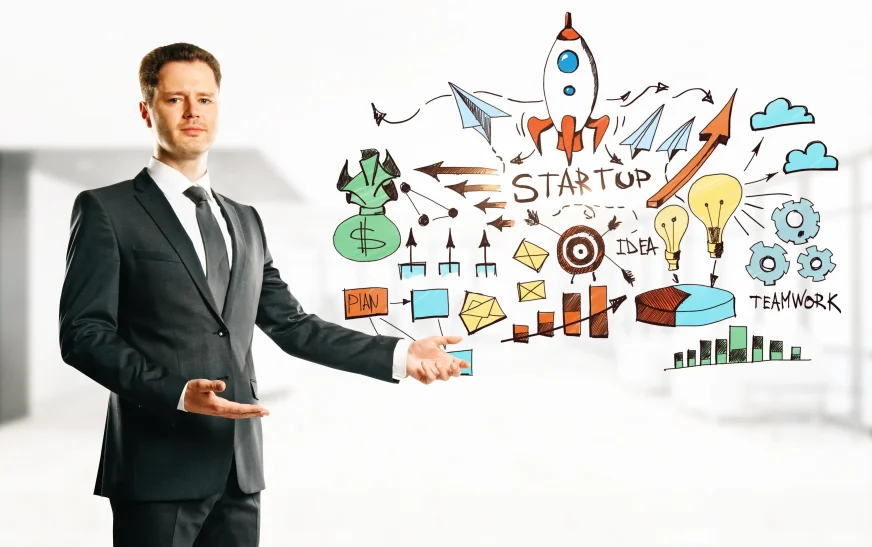
Marketing Strategies for Early-Stage Startups:

Marketing strategies for early-stage startups must balance speed, focus, and resource constraints. Unlike established brands, startups need traction quickly while validating product-market fit.

Building Brand Awareness with Limited Budgets:
Building brand awareness with limited budgets requires creativity, focus, and disciplined execution. Startups and small businesses must prioritize tactics that deliver visibility without excessive spend.

Go-To-Market Strategies Explained:
A go-to-market strategy defines how a product reaches customers and gains traction. It aligns positioning, pricing, distribution, and promotion to support successful launch and growth.
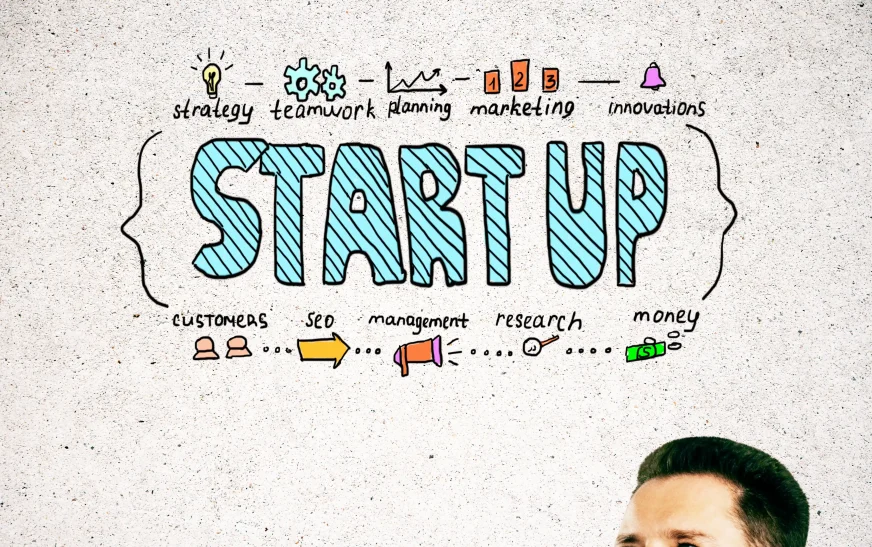
Common Startup Marketing Pitfalls:
Startup marketing pitfalls often stem from urgency, limited resources, and lack of clarity. Avoiding these mistakes improves efficiency and results.

Scaling Marketing Operations Efficiently:
Scaling marketing operations efficiently requires structure, alignment, and discipline. As organizations grow, informal processes that once worked begin to break down, slowing execution and increasing errors.

Hiring and Structuring Marketing Teams:
Hiring and structuring marketing teams effectively is critical for scalable growth. As organizations expand, informal role coverage becomes insufficient, requiring deliberate team design.

Process Optimization for Growth Marketing:
Process optimization enables growth marketing teams to move faster while maintaining discipline. Without optimized processes, experimentation becomes chaotic and insights are lost.
Tools That Support Marketing Scale:
Tools that support marketing scale enable teams to increase output without proportional increases in cost or complexity. The right tools improve efficiency, coordination, and insight.

Marketing Trends Shaping the Future:
Marketing trends are evolving rapidly as technology, data, and consumer expectations reshape how brands connect with audiences. Understanding these shifts helps organizations remain competitive and relevant.

How Consumer Behavior Is Changing:
Consumer behavior is changing as digital experiences, economic conditions, and social values influence decision-making. Modern consumers are more informed, selective, and empowered than ever.