Annual vs Quarterly Marketing Plans: What Works Better:

Choosing between annual and quarterly marketing plans depends on business maturity, market volatility, and growth objectives. Annual plans provide long-term direction by outlining goals, budgets, and strategic priorities for the year ahead. They help align stakeholders, secure resources, and maintain consistency across teams.

How to Align Marketing Plans with Business Objectives:
Aligning marketing plans with business objectives is essential for demonstrating value and driving sustainable growth. The process begins with a clear understanding of organizational goals, such as increasing revenue, entering new markets, improving retention, or strengthening brand equity. Marketing must support these priorities directly, not operate in isolation.
Understanding the Modern Customer Journey in Digital Marketing:
The modern customer journey is no longer linear or predictable. Unlike traditional models that followed awareness, consideration, and purchase in sequence, today’s journey is dynamic, fragmented, and heavily influenced by digital touchpoints. Customers move back and forth across channels, research independently, and expect personalized experiences at every stage.

How to Create a Customer Journey Map That Converts:
A customer journey map is only valuable if it leads to action and conversion. Creating a journey map that converts begins with defining a clear objective. Whether the goal is lead generation, product adoption, or retention, the map must align with a specific outcome rather than general awareness.
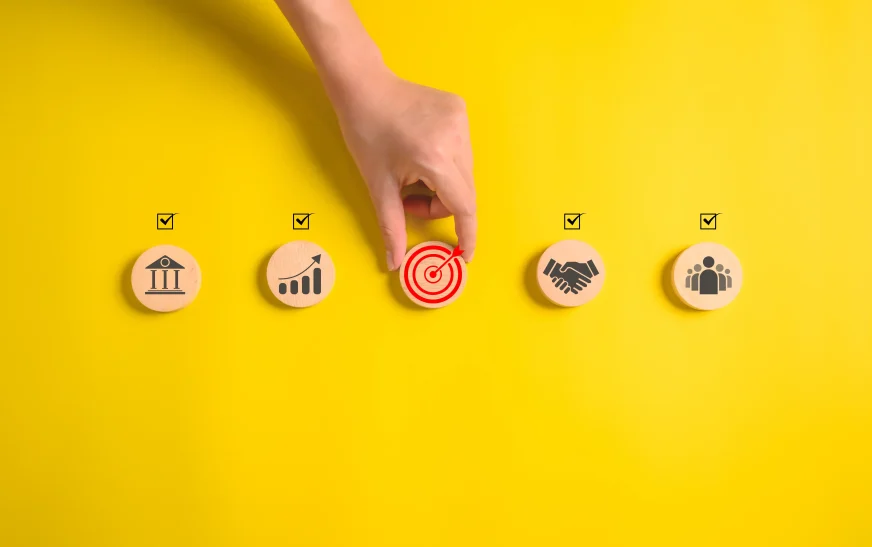
Touchpoints That Matter Most in the Buyer’s Journey:
Not all touchpoints influence buyers equally. While customers may encounter a brand many times, only a few interactions significantly shape decisions. Identifying the touchpoints that matter most allows marketers to focus resources where impact is highest.

Using Customer Journey Data to Improve Campaign Performance:
Customer journey data provides critical insight into how audiences interact with marketing campaigns across channels and stages. When used effectively, this data transforms campaign planning from guesswork into precision-driven execution.

What Omnichannel Marketing Really Means for Brands:
Omnichannel marketing is often misunderstood as simply being present on multiple platforms. In reality, it is a customer-centric strategy that connects all channels into a unified, consistent experience. Rather than operating in silos, omnichannel marketing ensures that every interaction builds upon the previous one, regardless of where it occurs.
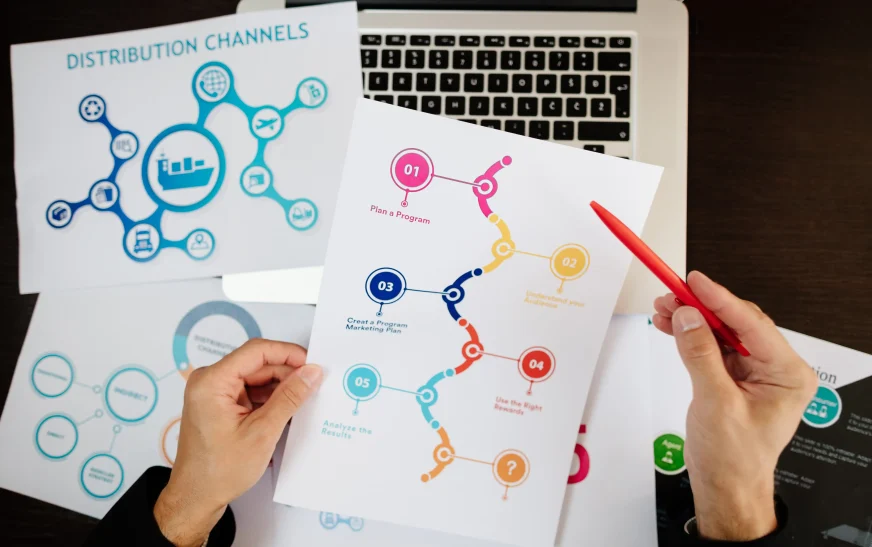
Omnichannel vs Multichannel Marketing Explained:
Omnichannel and multichannel marketing are often used interchangeably, but they represent fundamentally different approaches. Multichannel marketing focuses on presence across multiple platforms, while omnichannel marketing prioritizes integration and experience continuity across those platforms.

How to Create a Seamless Omnichannel Customer Experience:
Creating a seamless omnichannel customer experience starts with understanding the customer journey. Brands must identify how customers move across channels, what motivates transitions, and where friction occurs. This insight guides experience design across touchpoints.

Best Tools for Managing Omnichannel Campaigns:
Managing omnichannel campaigns effectively requires tools that unify data, execution, and measurement. Without the right technology stack, even well-designed strategies struggle to scale or perform consistently.