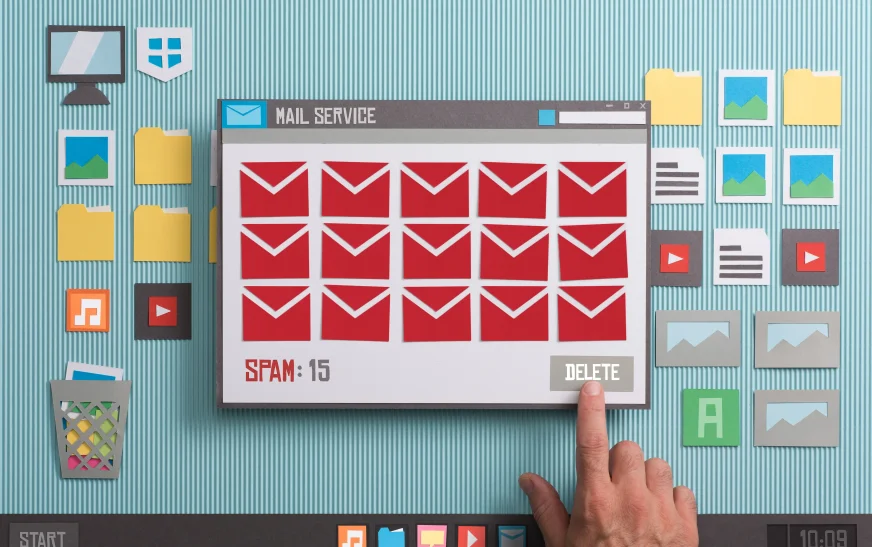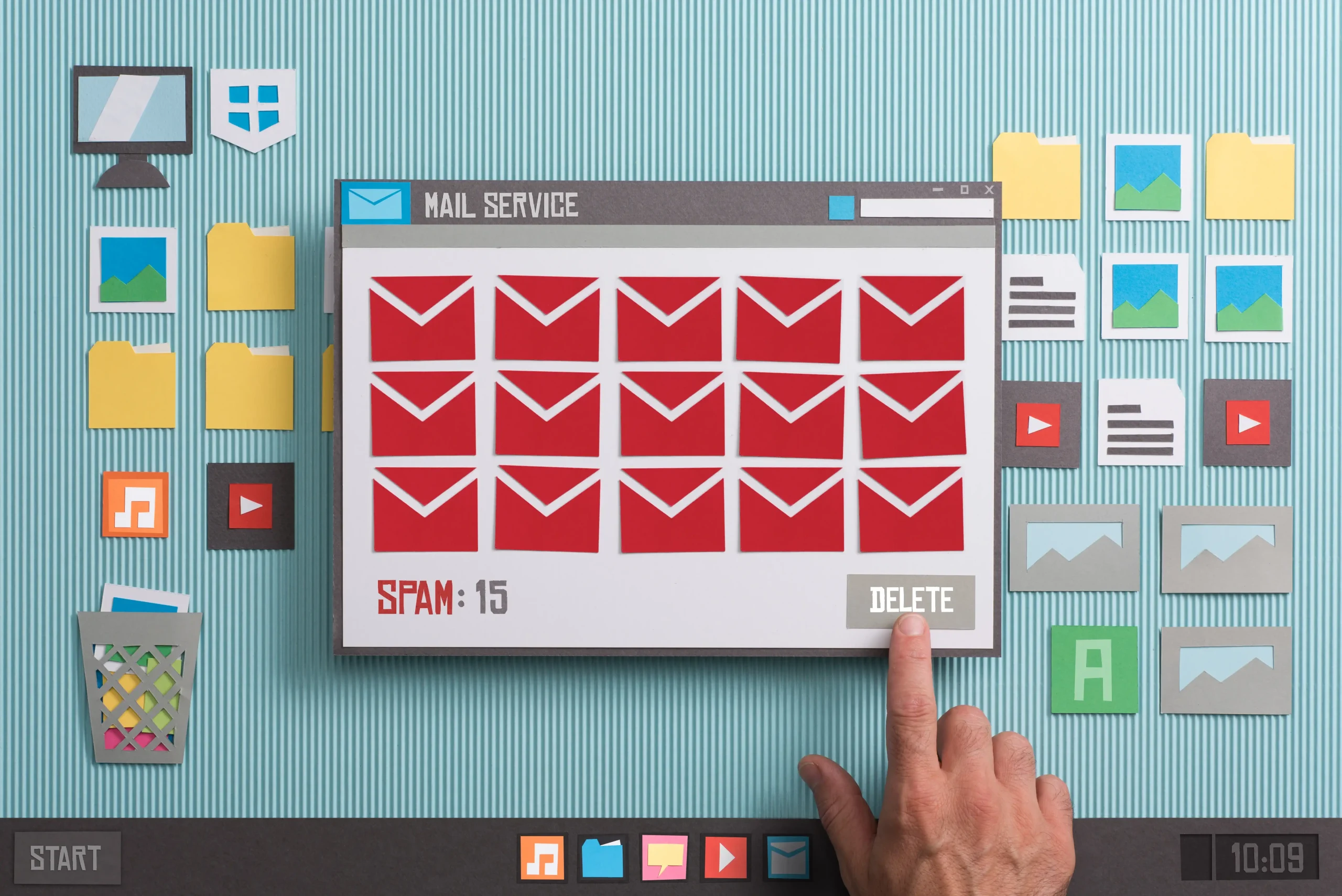
Automation overload occurs when excessive automated messaging overwhelms subscribers and reduces engagement. While automation improves efficiency, unmanaged volume and poor coordination damage trust and performance.
The root cause is often lack of governance. When multiple teams deploy automated workflows independently, customers receive overlapping or conflicting messages. Centralized oversight prevents duplication and confusion.
Relevance must guide automation decisions. Every automated message should serve a clear purpose and provide value. Messages triggered by low-intent actions often add noise rather than benefit.
Frequency management is essential. Even relevant emails become disruptive when sent too often. Establishing frequency caps protects subscriber experience and reduces fatigue.
Prioritization improves clarity. Automation systems should define which messages take precedence when multiple triggers occur. This ensures customers receive the most meaningful communication first.
Segmentation reduces overload by limiting messaging to appropriate audiences. Broad automation increases volume without relevance. Targeted workflows improve effectiveness and experience simultaneously.
Monitoring engagement signals helps identify overload early. Declining open rates, increased unsubscribes, or spam complaints indicate excessive automation. Responsive adjustments prevent long-term damage.
Automation should support human-centered communication. Thoughtful copy, clear intent, and empathetic tone maintain authenticity.
Avoiding automation overload requires balance. When automation is governed by relevance, restraint, and insight, it enhances efficiency without sacrificing trust. Brands that manage automation intentionally create experiences that feel supportive rather than intrusive, sustaining long-term engagement and loyalty.