
Marketing Automation Tools Explained:

Marketing automation tools help businesses streamline, scale, and optimize marketing activities through technology. These platforms automate repetitive tasks such as email campaigns, lead nurturing, segmentation, and reporting, allowing teams to focus on strategy and creativity.

Automating Campaigns Without Losing Personalization:
Automation and personalization are often viewed as opposing forces, but effective marketing combines both. Automating campaigns without losing personalization requires intentional design and disciplined data usage.

Use Cases for Marketing Automation Platforms:
Marketing automation platforms support a wide range of use cases across the customer lifecycle. Their primary value lies in enabling consistent, timely, and scalable engagement without increasing manual effort.

Common Automation Mistakes to Avoid:
Marketing automation delivers value only when implemented thoughtfully. Many organizations struggle because they focus on technology before strategy, leading to ineffective or damaging execution.

How Brands Build Trust in the Digital Age:
Building trust in the digital age requires consistency, transparency, and reliability across every interaction. Customers today evaluate brands through websites, reviews, social media, content, and peer recommendations. Trust is no longer built through messaging alone but through sustained digital behavior.

Loyalty-Driven Marketing Strategies:
Loyalty-driven marketing focuses on retaining existing customers rather than relying solely on acquisition. In competitive markets, loyal customers deliver higher lifetime value, lower acquisition costs, and stronger advocacy.
Transparency and Authenticity in Branding:
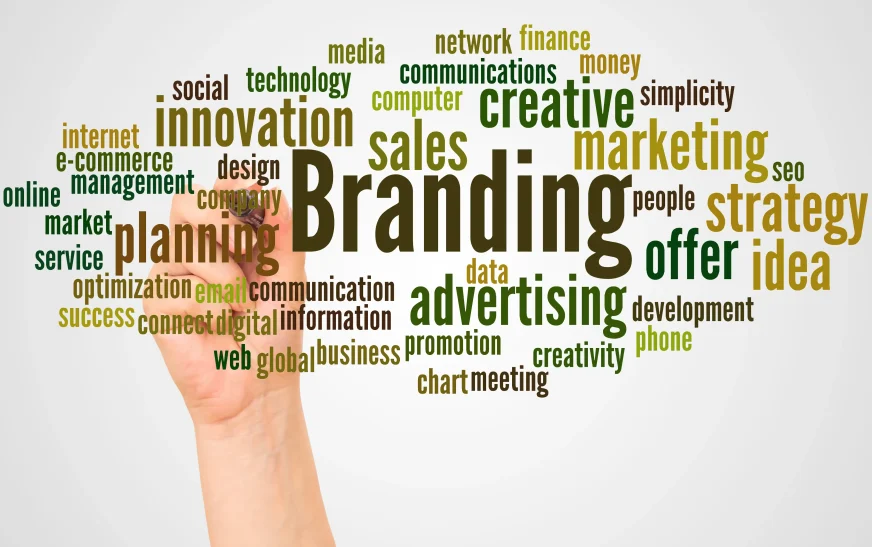
Transparency and authenticity are essential drivers of trust in modern branding. Customers today are more informed, skeptical, and values-driven. They evaluate not only what brands say, but how honestly and consistently they behave over time.

Measuring Brand Trust Over Time:
Measuring brand trust is essential for understanding long-term brand health. Trust influences loyalty, advocacy, and purchase decisions, yet it is often overlooked because it feels intangible. With the right metrics and methods, trust can be tracked and managed strategically.
Developing a Consistent Brand Voice:
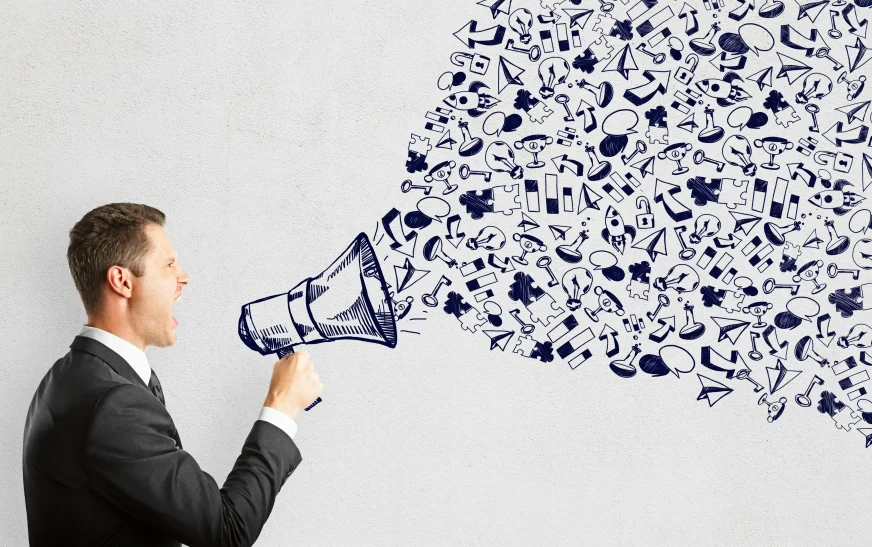
A consistent brand voice defines how a business sounds across all communication channels. It reflects personality, values, and intent, shaping how audiences perceive and emotionally connect with the brand. Without a defined voice, messaging becomes fragmented and unreliable.
Tone of Voice Guidelines for Marketing Teams:
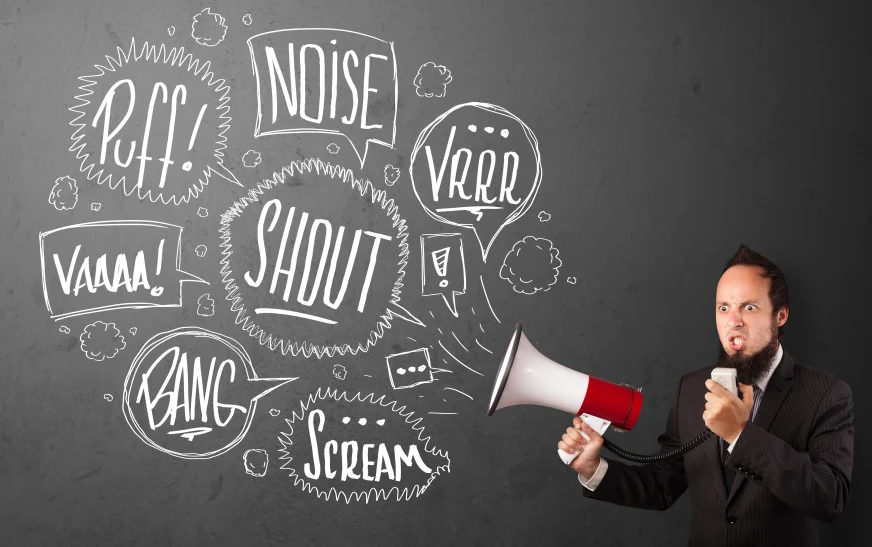
Tone of voice guidelines help marketing teams communicate consistently while adapting to different audiences and contexts. While brand voice defines personality, tone reflects mood and intent in specific situations. Clear guidelines ensure flexibility without inconsistency.