
Email Personalization Techniques That Convert:

Email personalization techniques that convert focus on relevance, timing, and clarity rather than surface-level customization. Effective personalization makes messages feel purposeful and aligned with recipient needs.

Using Behavioral Data for Targeted Messaging:
Behavioral data enables targeted messaging by revealing how customers interact with a brand. Actions such as clicks, views, downloads, and purchases provide insight into intent and readiness.
Dynamic Content in Email Marketing:
Dynamic content in email marketing allows messages to adapt automatically based on recipient data, behavior, or context. Instead of sending identical emails to every subscriber, dynamic content personalizes sections within a single campaign, increasing relevance and engagement.

Personalization Mistakes to Avoid:
Personalization can enhance email performance, but common mistakes often undermine its effectiveness. One frequent error is relying on shallow personalization. Simply inserting a first name without relevant context adds little value and may feel artificial.

Email Deliverability Best Practices:
Email deliverability determines whether messages reach the inbox rather than spam folders. Strong deliverability protects sender reputation, engagement, and overall email performance.
Avoiding Spam Filters in Email Marketing:
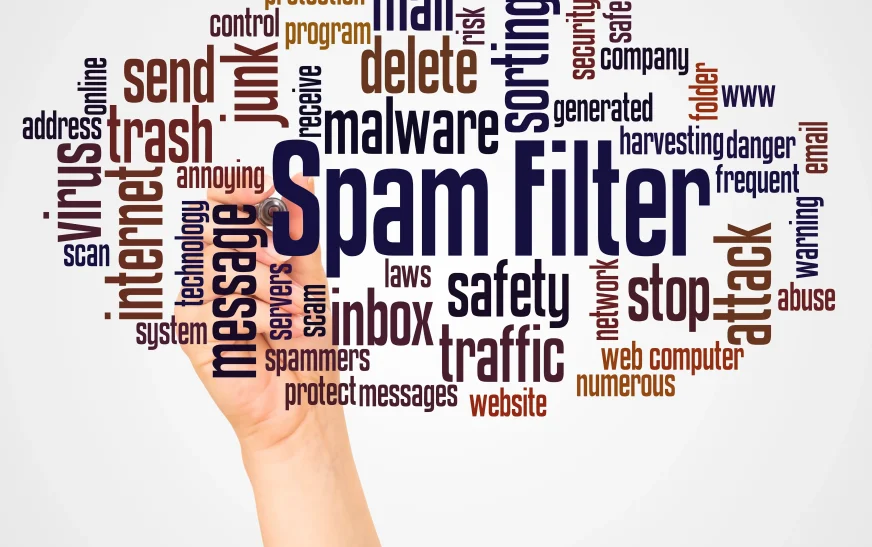
Avoiding spam filters requires understanding how inbox providers evaluate email quality and sender behavior. Spam filtering is influenced by authentication, engagement, content, and reputation signals.
Understanding Email Compliance Rules:
Understanding email compliance rules is essential for protecting brand reputation and avoiding legal risk. Compliance frameworks govern how businesses collect, store, and use subscriber data, ensuring respectful and lawful communication.
Maintaining a Healthy Email List:
Maintaining a healthy email list is critical for engagement, deliverability, and long-term performance. A smaller, engaged list often outperforms a large, inactive one.
Drip Campaigns That Nurture Leads:
Drip campaigns nurture leads through a series of automated emails delivered over time. Rather than pushing immediate conversion, drip campaigns build trust, educate prospects, and guide them gradually toward a decision.

Designing Lifecycle Email Flows:
Lifecycle email flows align communication with where customers are in their relationship with a brand. Instead of one-size-fits-all messaging, lifecycle flows deliver relevant content based on stage, behavior, and intent.