
Trigger-Based Email Marketing Strategies:

Trigger-based email marketing delivers messages in response to specific customer actions or behaviors. Unlike scheduled campaigns, trigger-based emails feel timely and relevant because they align with real user intent.

Avoiding Automation Overload:
Automation overload occurs when excessive automated messaging overwhelms subscribers and reduces engagement. While automation improves efficiency, unmanaged volume and poor coordination damage trust and performance.
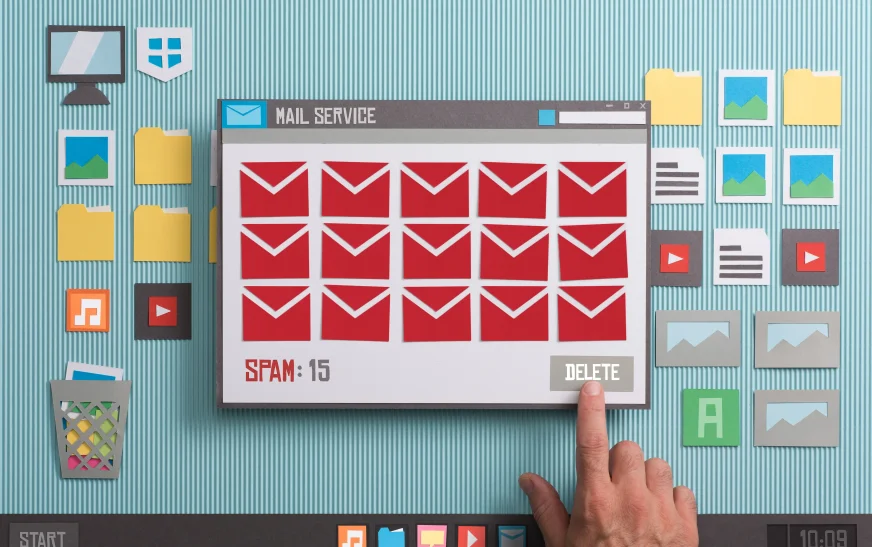
Building High-Performing Email Campaigns:
High-performing email campaigns are built on strategy, relevance, and consistency rather than volume alone. Email remains one of the most effective marketing channels, but success depends on how thoughtfully campaigns are planned and executed.

Email Marketing Funnels Explained:
Email marketing funnels guide subscribers through structured stages, from initial awareness to conversion and retention. A funnel approach ensures messages align with customer intent rather than treating all subscribers the same.

How to Improve Email Open Rates:
Improving email open rates starts with understanding why subscribers open emails in the first place. An open represents trust, relevance, and perceived value. When emails consistently meet expectations, subscribers are more likely to engage.

Campaign Planning for Email Marketing:
Effective email marketing campaigns begin with structured planning. Without a plan, emails become reactive, inconsistent, and difficult to measure. Campaign planning ensures alignment between objectives, messaging, and execution.