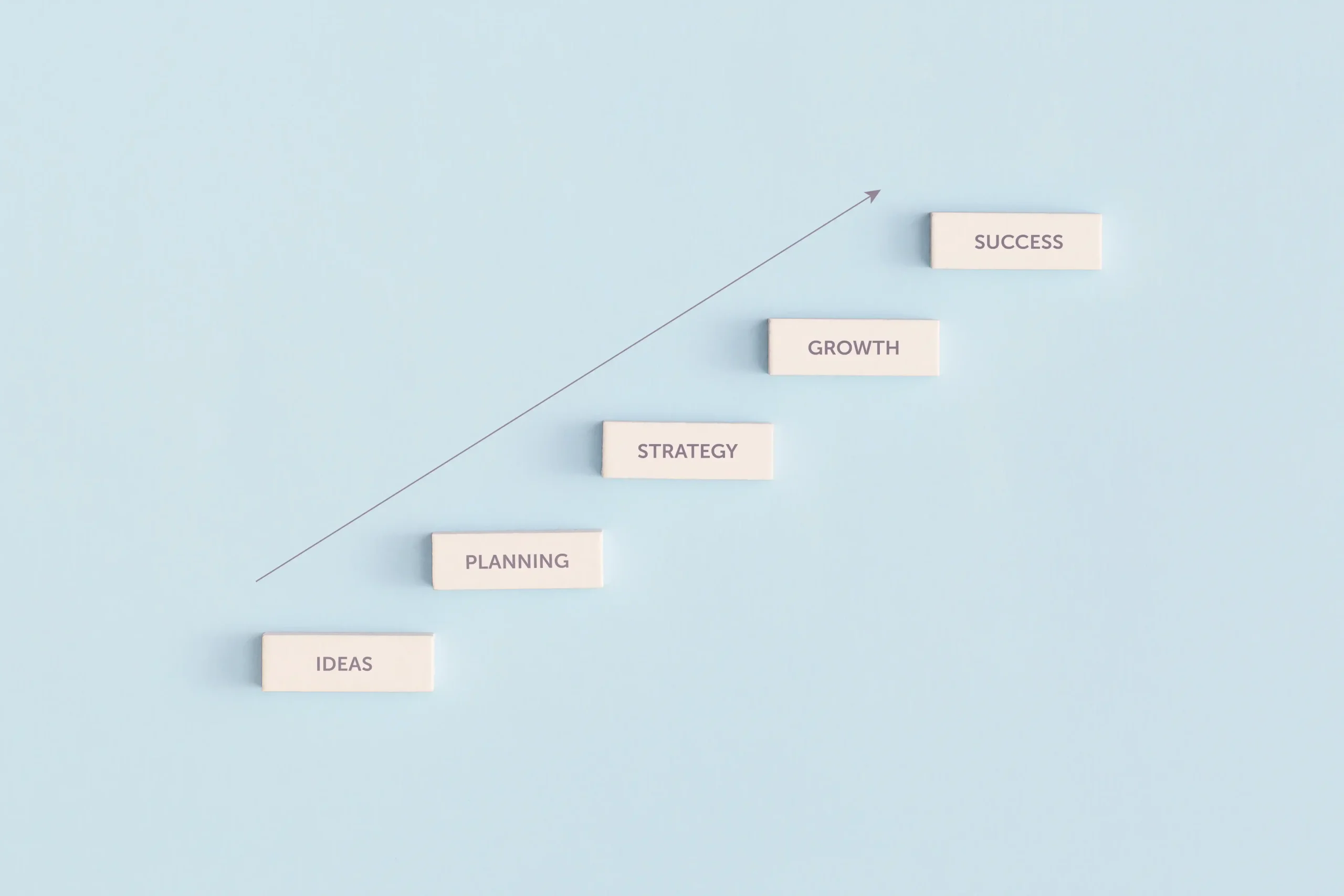
Scaling a business requires more than isolated marketing tactics; it demands structured frameworks that guide experimentation, prioritization, and execution. Growth marketing frameworks provide this structure by aligning teams around repeatable processes that drive measurable results.
One widely used framework focuses on the full funnel, from acquisition to retention. Rather than prioritizing traffic alone, this approach examines how users move through awareness, activation, engagement, and loyalty. By optimizing each stage, businesses achieve compounding growth instead of one-time gains.
Another proven framework emphasizes rapid experimentation. Teams identify growth opportunities, rank them by impact and effort, test hypotheses quickly, and scale what works. This iterative process reduces risk and accelerates learning, making it ideal for fast-moving markets.
Product-led growth frameworks are also effective for digital businesses. Here, the product itself becomes the primary growth driver through free trials, onboarding experiences, and in-product prompts. Marketing, product, and customer success collaborate to reduce friction and encourage adoption.
Lifecycle-based frameworks focus on maximizing customer lifetime value. Acquisition is balanced with retention, upsell, and advocacy strategies. This approach recognizes that sustainable growth often comes from existing customers rather than constant acquisition.
The most successful growth frameworks share common principles: data-driven decision-making, cross-functional collaboration, and continuous optimization. They rely on clear metrics, disciplined testing, and alignment between marketing, product, and sales teams.
Choosing the right framework depends on business model, maturity, and resources. When applied consistently, growth marketing frameworks transform scaling from guesswork into a systematic, predictable process that supports long-term success.