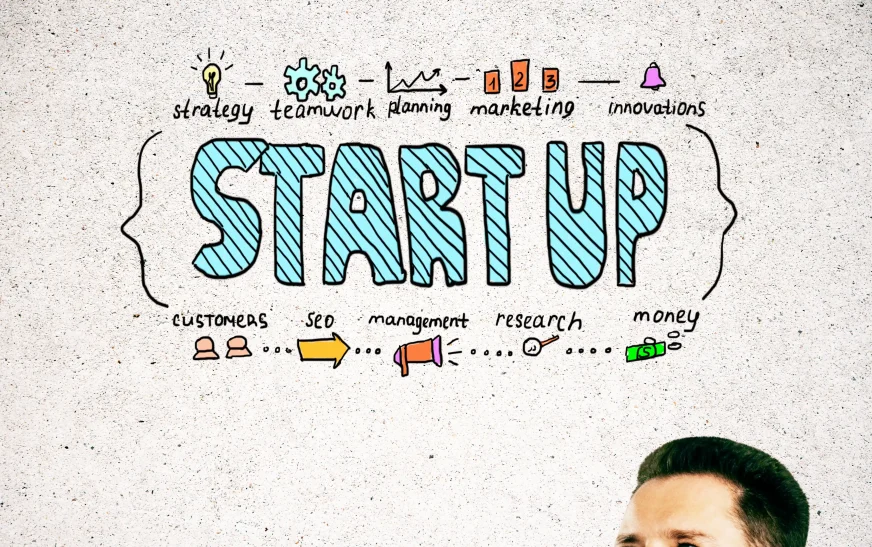
A go-to-market strategy defines how a product reaches customers and gains traction. It aligns positioning, pricing, distribution, and promotion to support successful launch and growth.
The process begins with market understanding. Identifying target segments, pain points, and buying behavior informs strategic choices. Clear audience definition prevents wasted effort.
Positioning anchors the strategy. It explains who the product is for, what problem it solves, and why it is different. Strong positioning guides messaging and sales enablement.
Channel selection follows. Direct sales, partnerships, marketplaces, or digital channels each offer trade-offs. Choosing channels aligned with customer behavior improves adoption.
Pricing strategy influences perception and adoption. Pricing should reflect value, competitive context, and willingness to pay. Early testing refines pricing assumptions.
Sales and marketing alignment supports execution. Clear handoffs, shared metrics, and consistent messaging improve conversion.
Launch planning coordinates activity. Timing, messaging, and enablement materials must align across teams. A structured launch maximizes impact.
Measurement informs iteration. Early performance data reveals gaps and opportunities. Continuous refinement improves effectiveness.
A strong go-to-market strategy reduces risk and accelerates growth. When aligned with customer needs and executed consistently, it provides a roadmap for sustainable market entry and expansion.