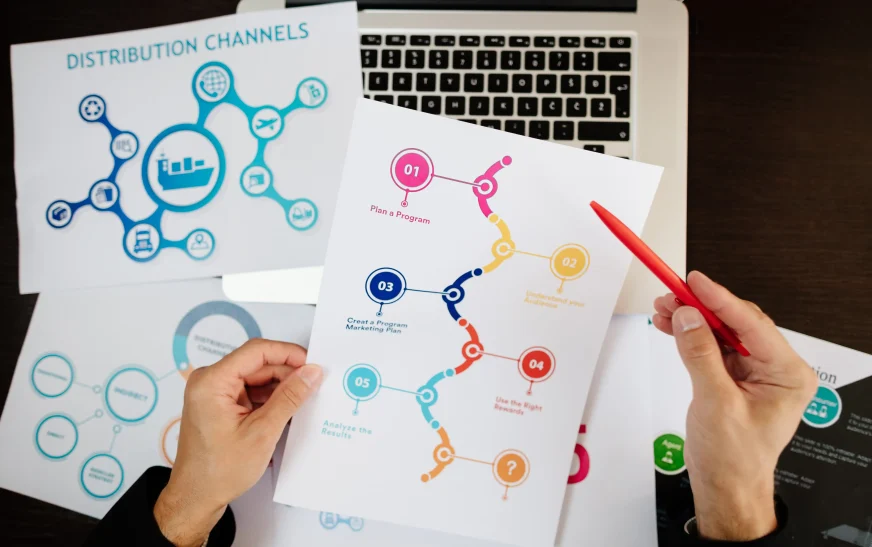
Creating a seamless omnichannel customer experience starts with understanding the customer journey. Brands must identify how customers move across channels, what motivates transitions, and where friction occurs. This insight guides experience design across touchpoints.
Consistency is critical. Messaging, tone, visuals, and value propositions should remain aligned across platforms. While content formats may differ by channel, the underlying brand narrative must stay cohesive to reinforce trust and recognition.
Technology integration plays a key role. Customer data platforms, CRMs, and marketing automation tools must share information in real time. When systems are connected, brands can deliver personalized experiences based on behavior, preferences, and history.
Personalization enhances seamlessness. Customers expect relevant content, timely offers, and contextual messaging. Personalized recommendations, triggered communications, and adaptive experiences reduce friction and increase engagement.
Operational alignment is equally important. Teams managing different channels must collaborate toward shared goals and metrics. Silos undermine omnichannel effectiveness by creating inconsistent experiences and conflicting priorities.
Testing and optimization ensure ongoing improvement. Monitoring engagement, conversion paths, and drop-offs reveals opportunities to refine experiences. Small adjustments, such as improving handoffs between channels, can significantly impact performance.
A seamless omnichannel experience is not built overnight. It evolves through continuous learning, alignment, and investment. Brands that commit to omnichannel excellence deliver smoother journeys, stronger relationships, and sustained competitive advantage in increasingly complex digital environments.