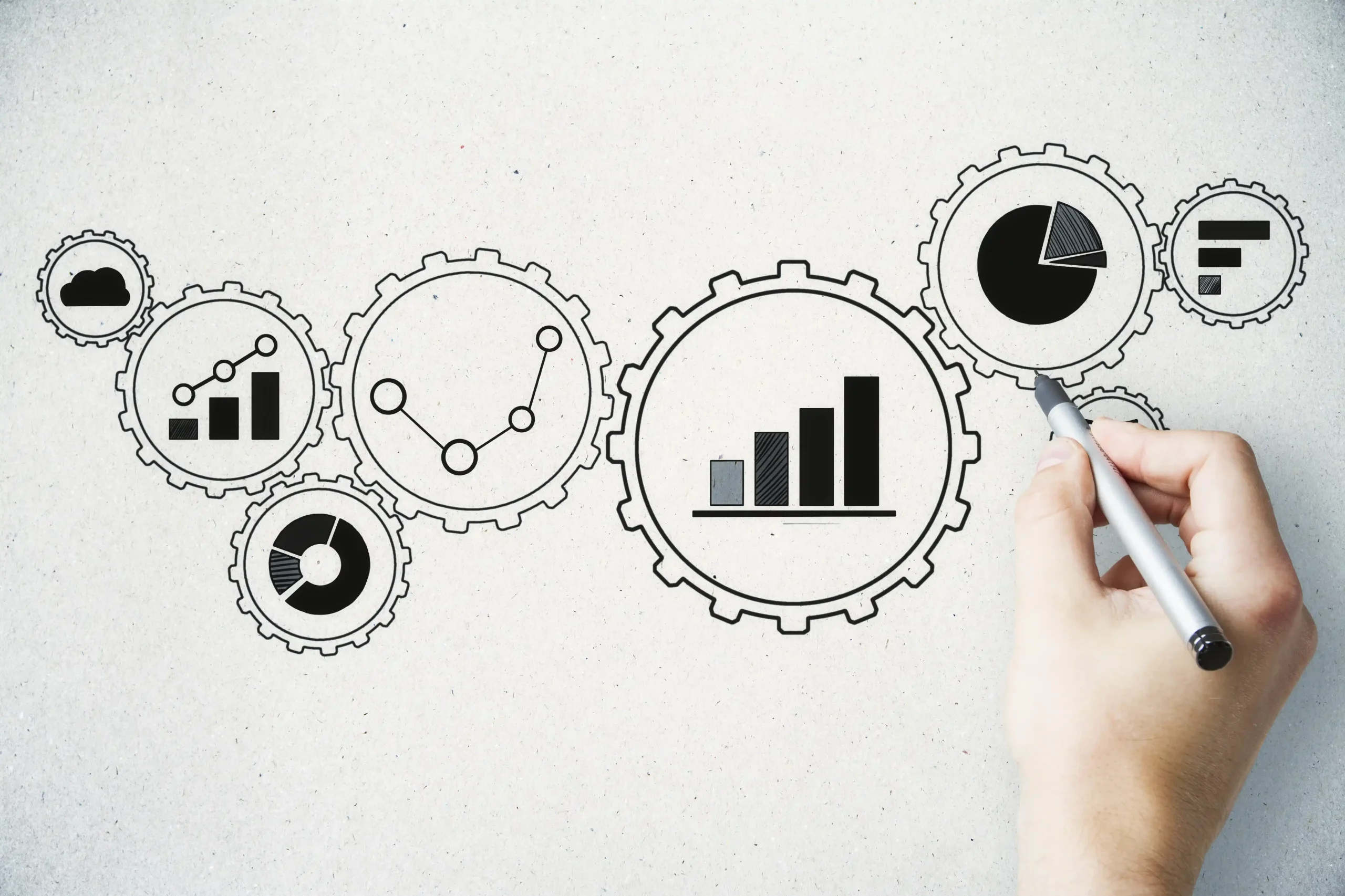
Predictive analytics is transforming marketing strategy by enabling brands to anticipate customer behavior and make proactive decisions. By analyzing historical data and identifying patterns, predictive models forecast future outcomes such as conversions, churn, and lifetime value.
The foundation of predictive analytics is data integration. Customer interactions across channels, including websites, email, CRM systems, and advertising platforms, are combined to create a comprehensive dataset. The quality and completeness of this data directly influence prediction accuracy.
One key application is demand forecasting. Predictive models estimate future interest in products or services, allowing marketers to plan campaigns, budgets, and inventory more effectively. This reduces waste and improves alignment between marketing and operations.
Customer segmentation also benefits. Predictive analytics identifies which segments are most likely to convert, upgrade, or disengage. Marketers can prioritize resources toward high-impact audiences and tailor messaging accordingly.
Churn prediction is another valuable use case. By recognizing early warning signals, brands can intervene with targeted retention campaigns before customers disengage completely. This proactive approach improves loyalty and lifetime value.
Predictive insights also support content and channel optimization. Marketers can forecast which messages, formats, and channels will perform best for specific audiences, improving efficiency and results.
Despite its power, predictive analytics requires oversight. Models must be monitored for bias, accuracy, and relevance as markets evolve. Predictions guide decisions but do not replace strategic judgment.
When integrated thoughtfully, predictive analytics shifts marketing from reactive to anticipatory. Brands gain the ability to act with confidence, allocate resources intelligently, and create experiences that feel timely and relevant, strengthening long-term performance and competitive advantage.