Collecting marketing data is easy; turning it into actionable insight is not. Actionable insights connect data patterns to decisions that improve performance. Without this connection, data remains descriptive rather than strategic.
The process begins with asking the right questions. Instead of reviewing metrics in isolation, teams should define what they need to learn. Questions about conversion drivers, audience behavior, or channel effectiveness guide meaningful analysis.
Context is essential. Data must be evaluated within campaign goals, timelines, and external factors. A declining metric may signal a problem or reflect intentional strategic shifts. Insight requires interpretation, not just observation.
Segmentation enhances insight quality. Analyzing data by audience, channel, or lifecycle stage reveals patterns hidden in aggregated reports. Granular analysis helps identify where performance improves or declines.
Comparative analysis strengthens conclusions. Comparing results over time, across campaigns, or against benchmarks clarifies whether changes are significant. Trends matter more than isolated data points.
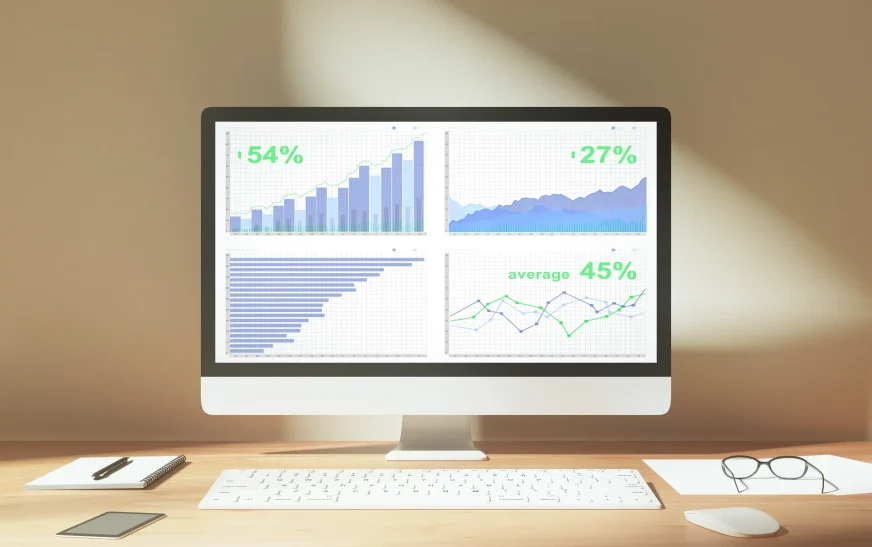
Visualization supports understanding. Clear charts and summaries highlight relationships and anomalies quickly. Effective visualization directs attention to insights rather than raw numbers.
Insight becomes actionable when paired with recommendations. Each finding should suggest a next step, whether optimization, experimentation, or investment adjustment. Without action, insight has limited value.
Collaboration improves outcomes. Sharing insights across marketing, sales, and leadership teams ensures alignment and informed decision-making.
Turning data into insight is an ongoing discipline. Teams that prioritize thoughtful analysis and action build learning loops that continuously improve marketing effectiveness and strategic confidence.