


Building a data-driven marketing plan starts with clarity, not tools. Before selecting platforms or tactics, define clear business goals such as revenue growth, lead generation, retention, or brand awareness. These objectives become the foundation for every data decision that follows and prevent analysis without purpose.
The next step is gathering reliable data sources. Common inputs include website analytics, CRM data, sales reports, customer surveys, social media insights, and paid advertising performance. Historical data reveals patterns in customer behavior, channel effectiveness, and conversion timing. External market research and competitor benchmarks further strengthen planning accuracy.
Once data is collected, segment it meaningfully. Break audiences into groups based on demographics, behavior, lifecycle stage, and intent. This allows marketers to identify high-value segments, underserved opportunities, and friction points across the funnel. Data segmentation transforms raw numbers into actionable insight.
Strategy development comes next. Use insights to choose channels, messaging, content formats, and budgets. For example, if data shows organic search drives high-intent traffic, prioritize SEO and long-form content. If paid social delivers fast conversions, allocate testing budgets there. Every tactic should tie directly back to measurable objectives.
Measurement is the final pillar. Define key performance indicators aligned with goals, such as cost per acquisition, conversion rate, lifetime value, or engagement depth. Establish reporting cadence and dashboards to monitor progress consistently. A data-driven plan is not static; it evolves as performance data accumulates.
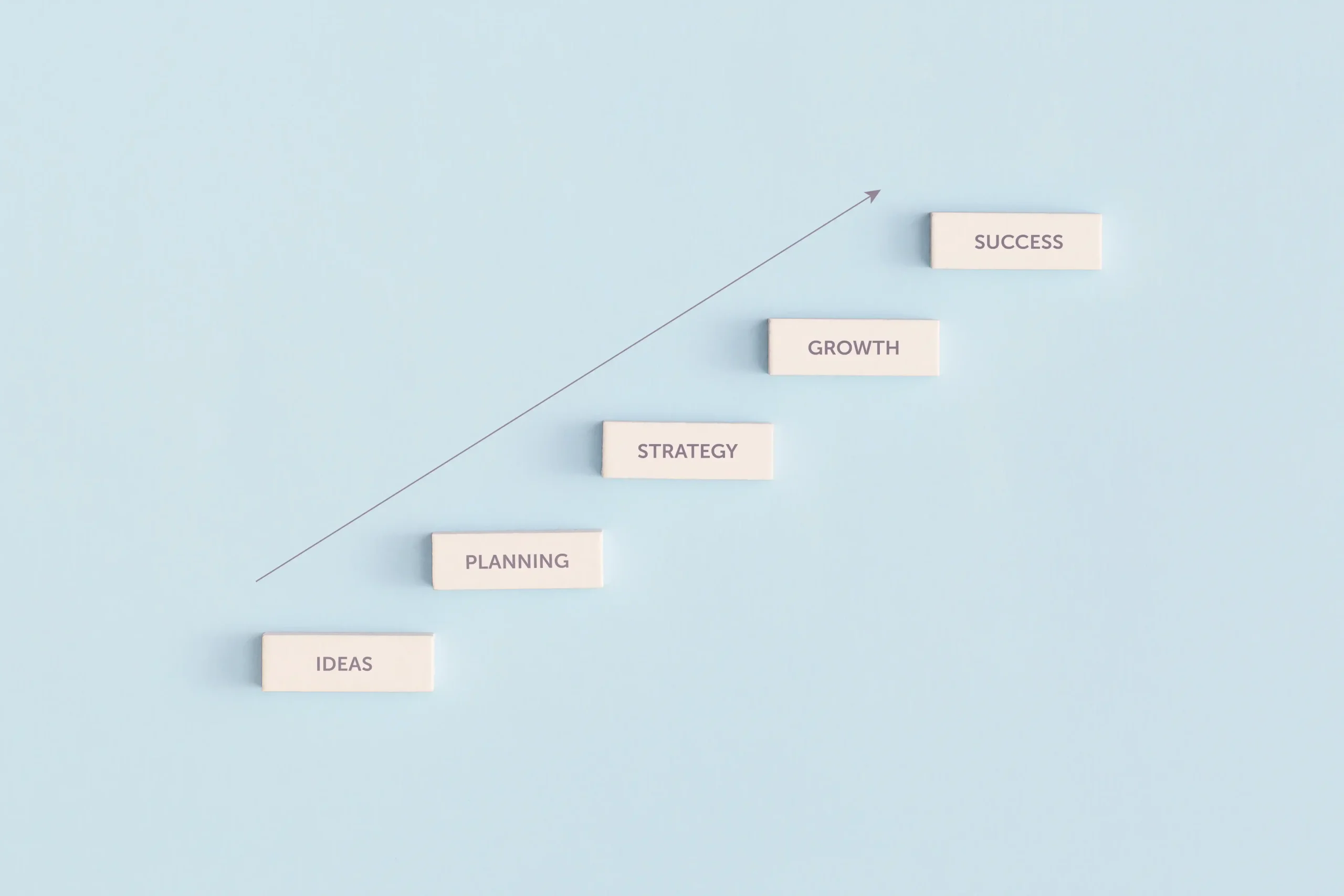
Ultimately, building a data-driven marketing plan requires discipline, alignment, and continuous optimization. When data guides decisions at every stage, marketing becomes predictable, scalable, and accountable—turning strategy into a measurable growth engine rather than guesswork.












1 Comment
Hi, this is a comment.
To get started with moderating, editing, and deleting comments, please visit the Comments screen in the dashboard.
Commenter avatars come from Gravatar.